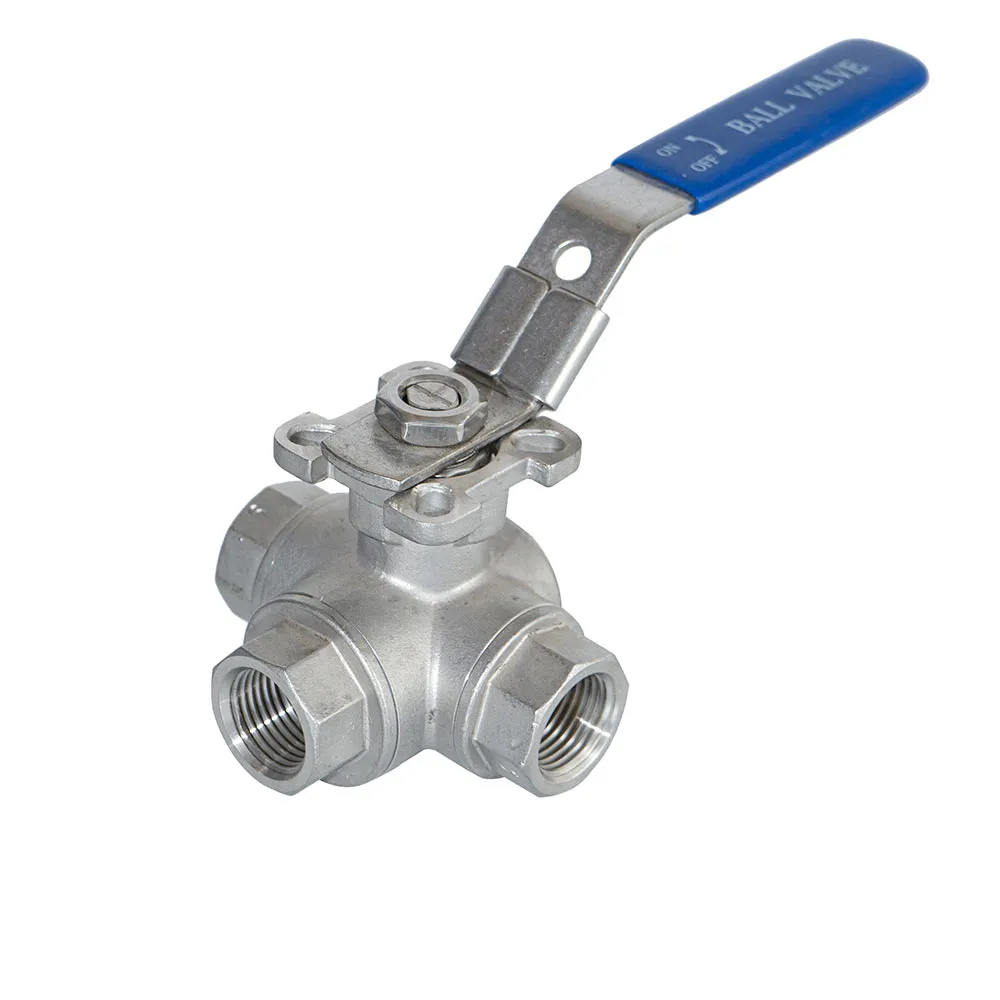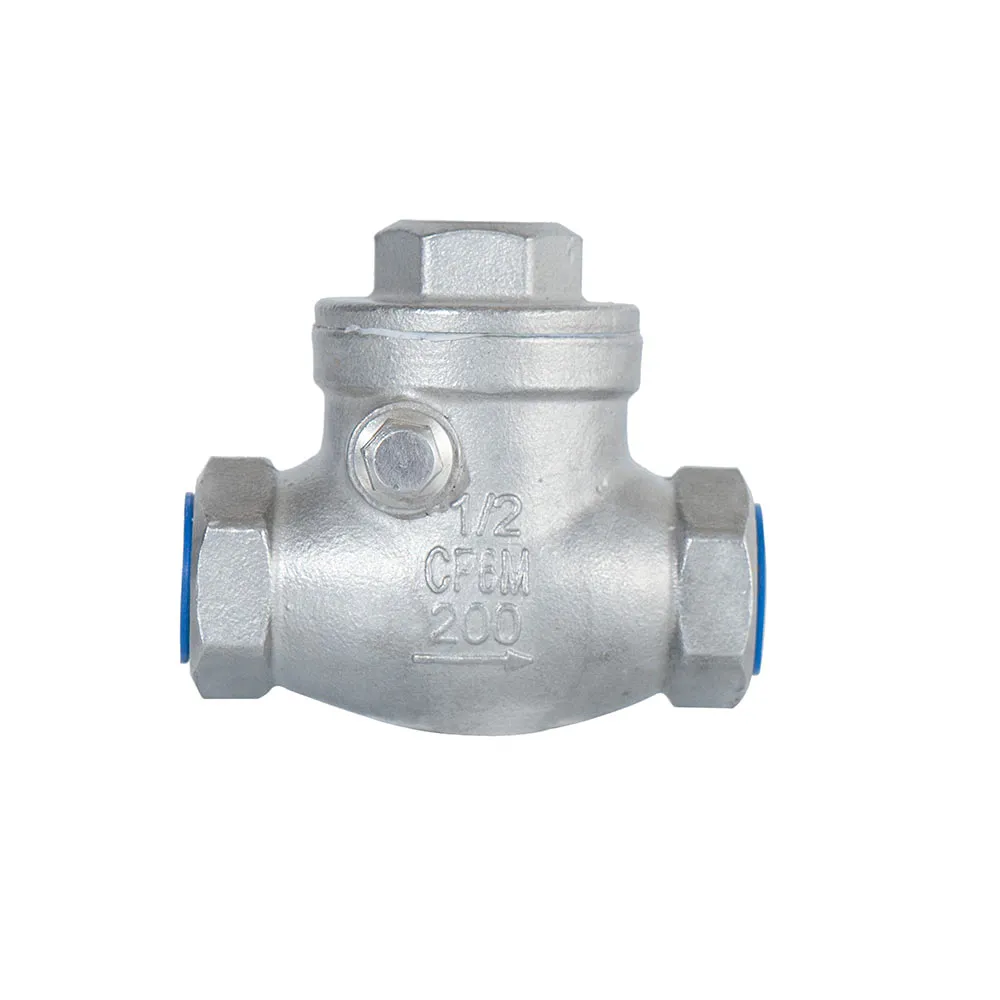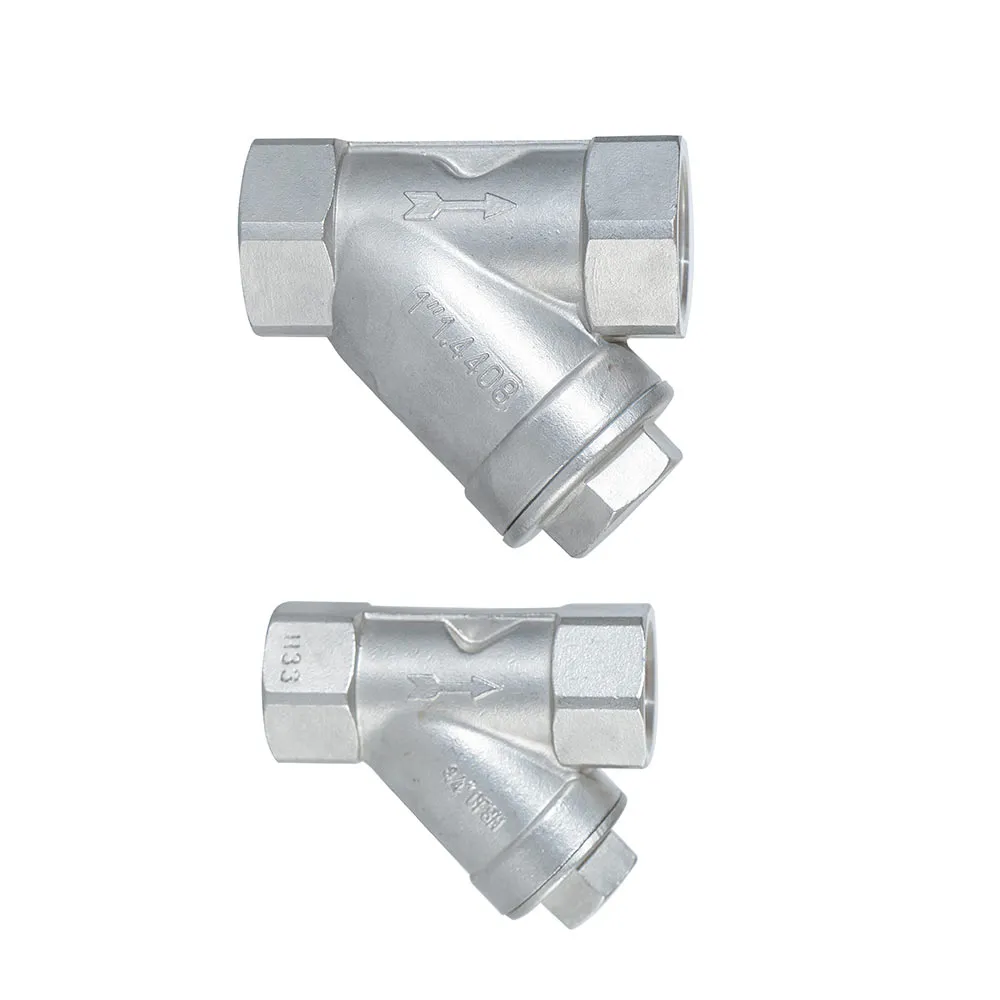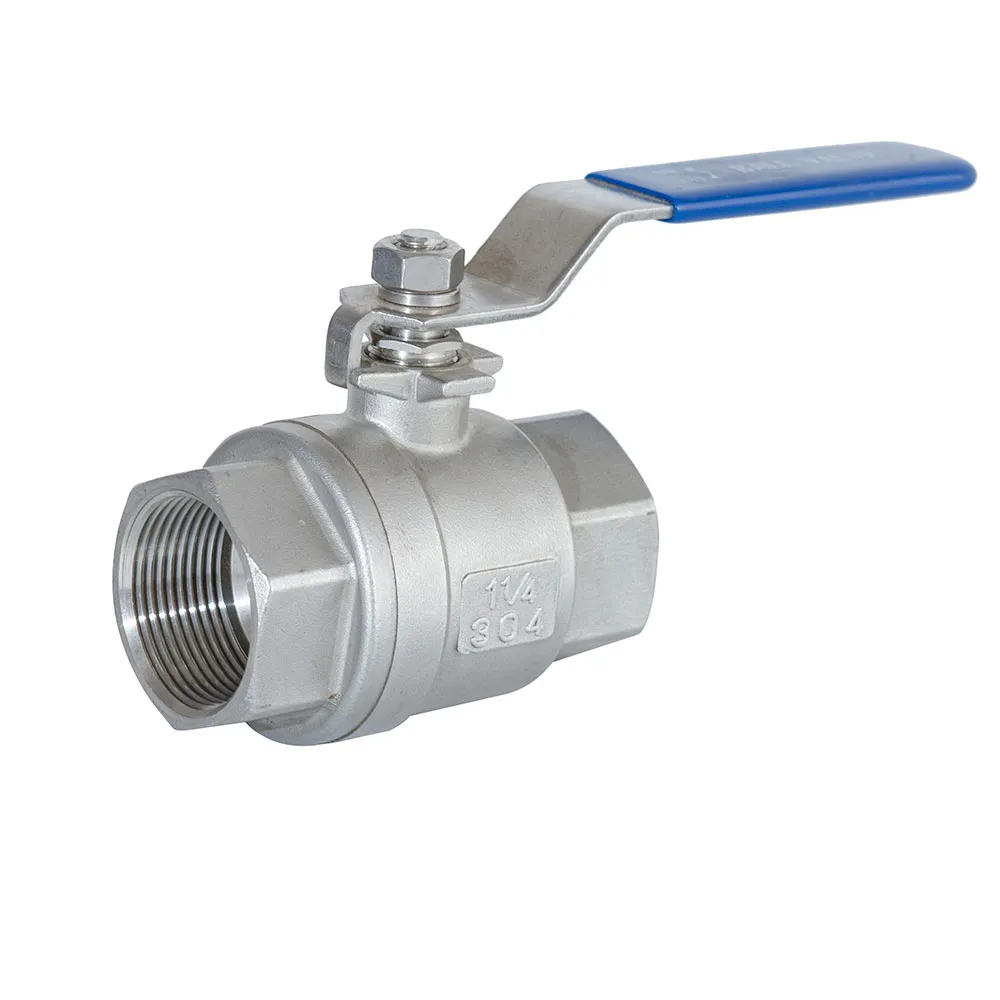
stainless steel ball valve price
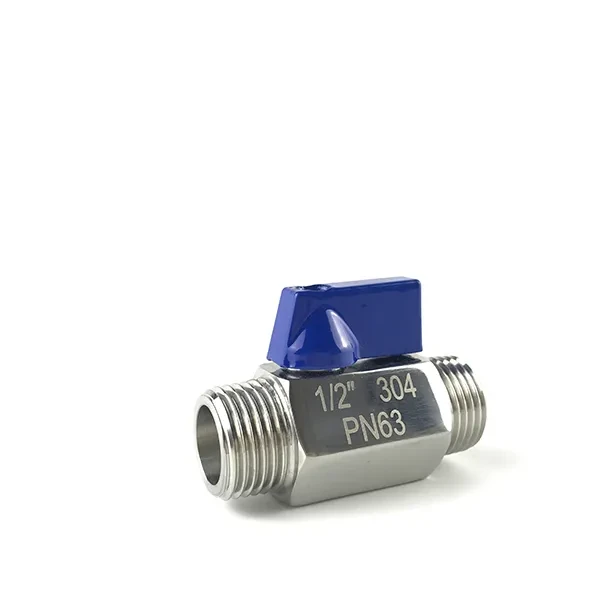
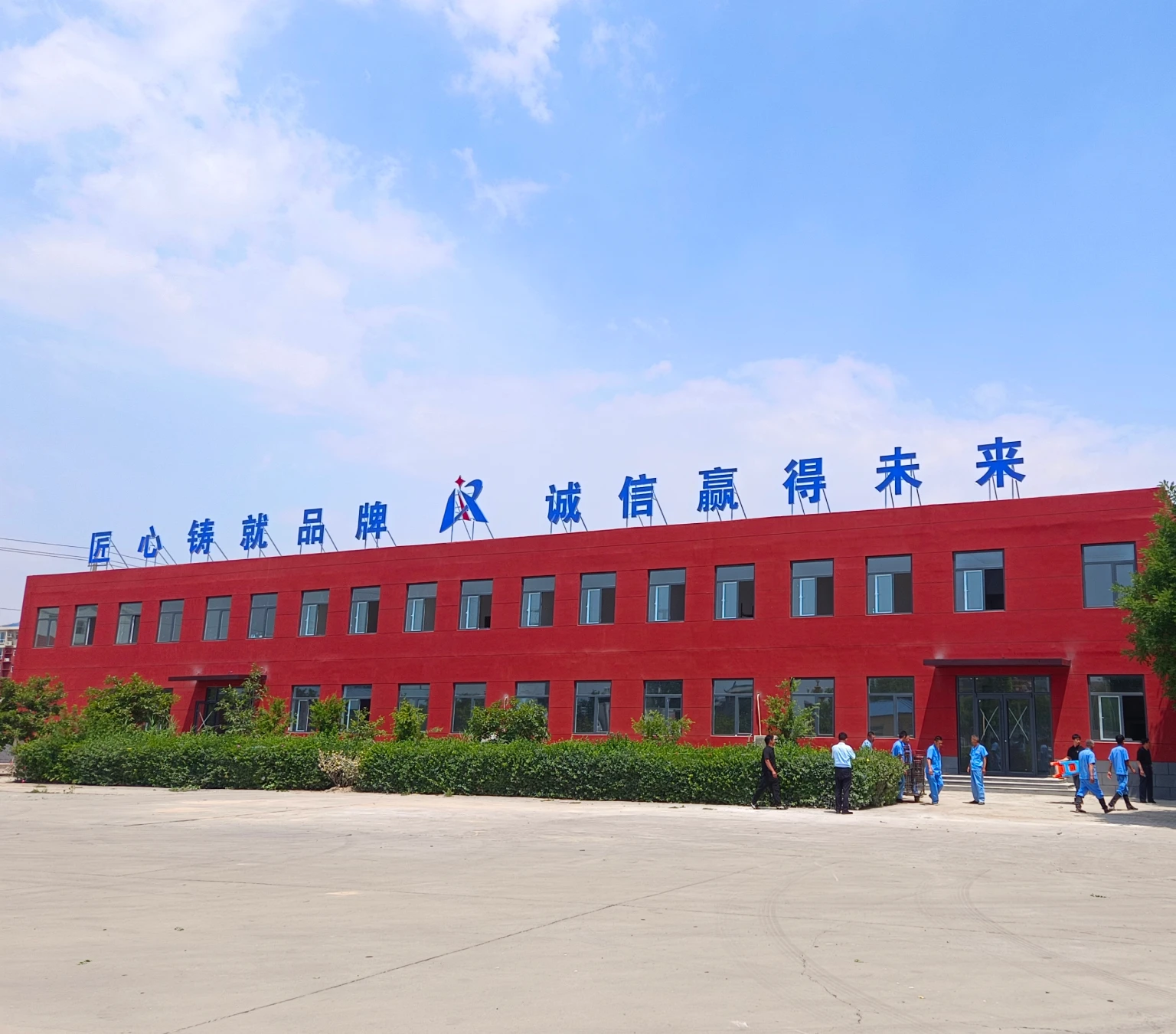
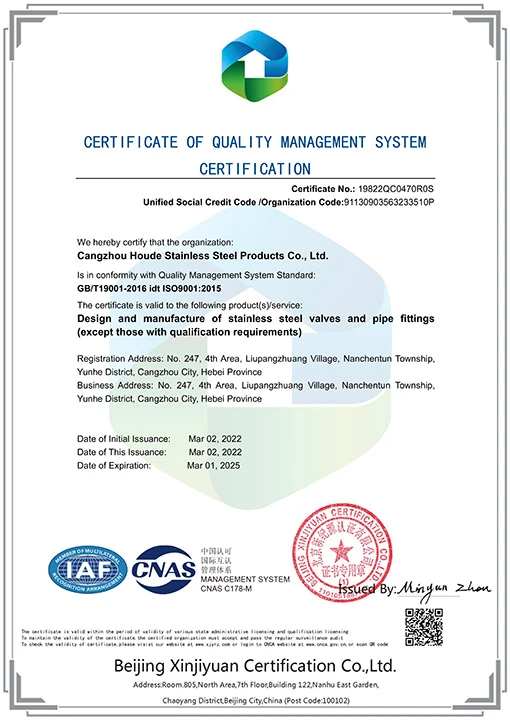
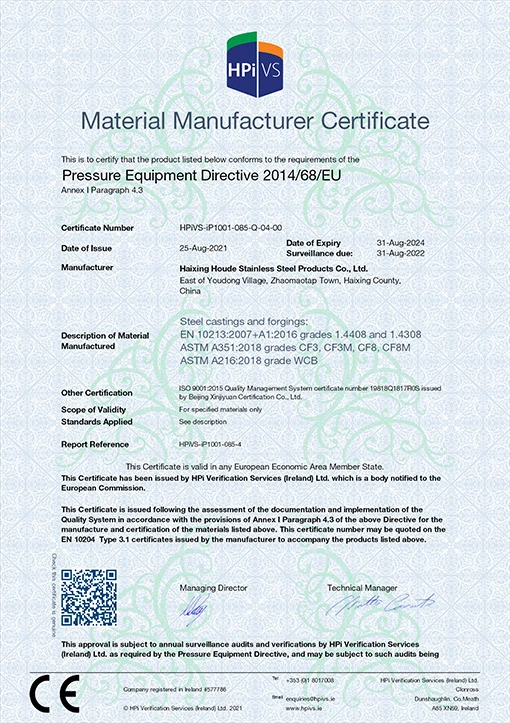
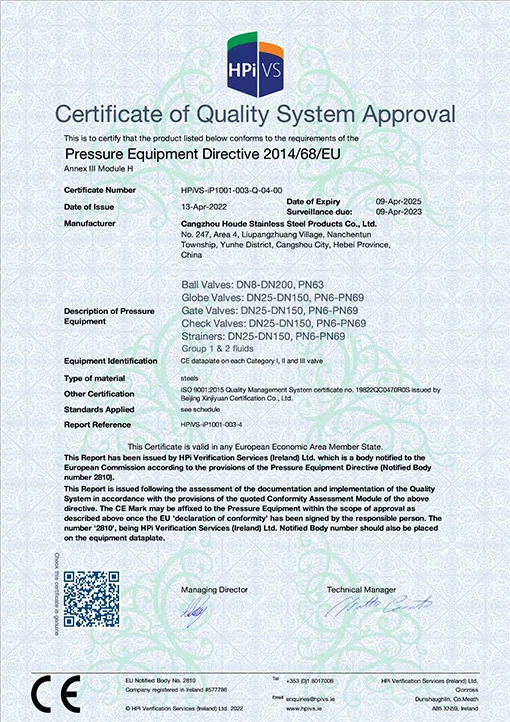
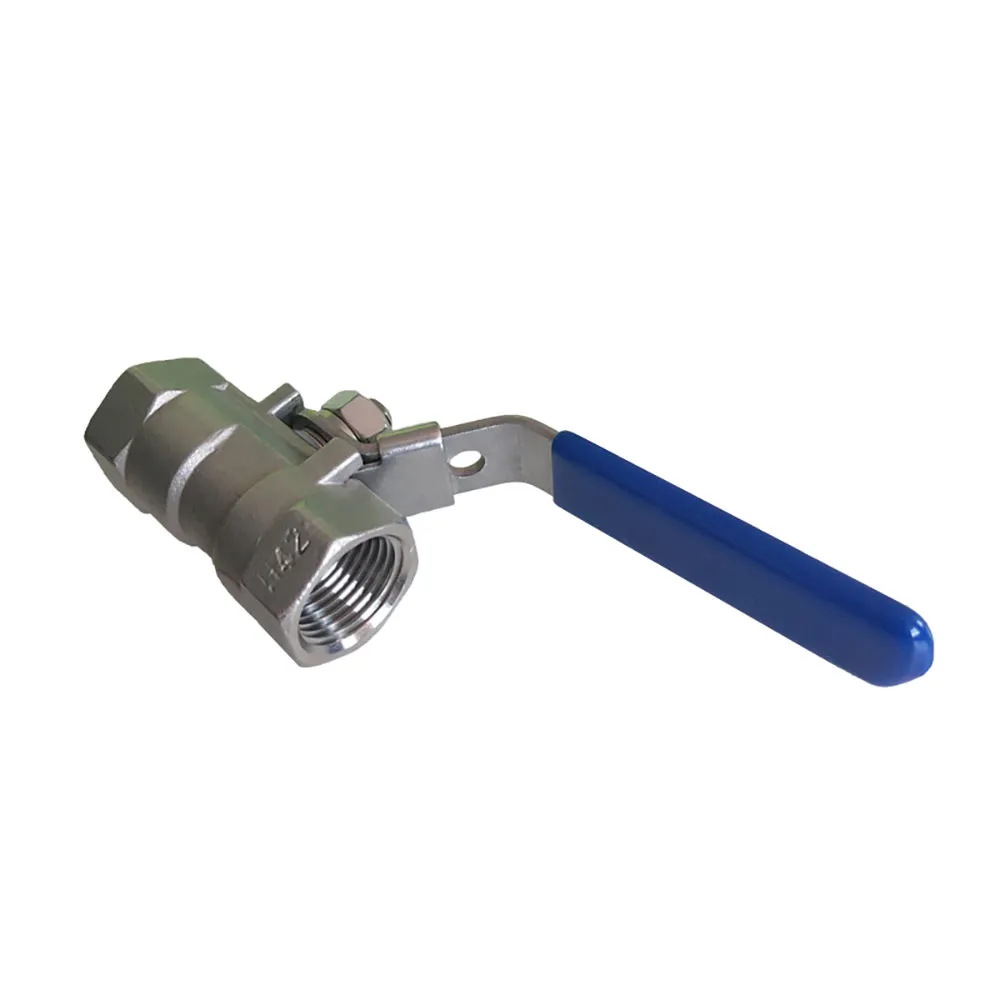
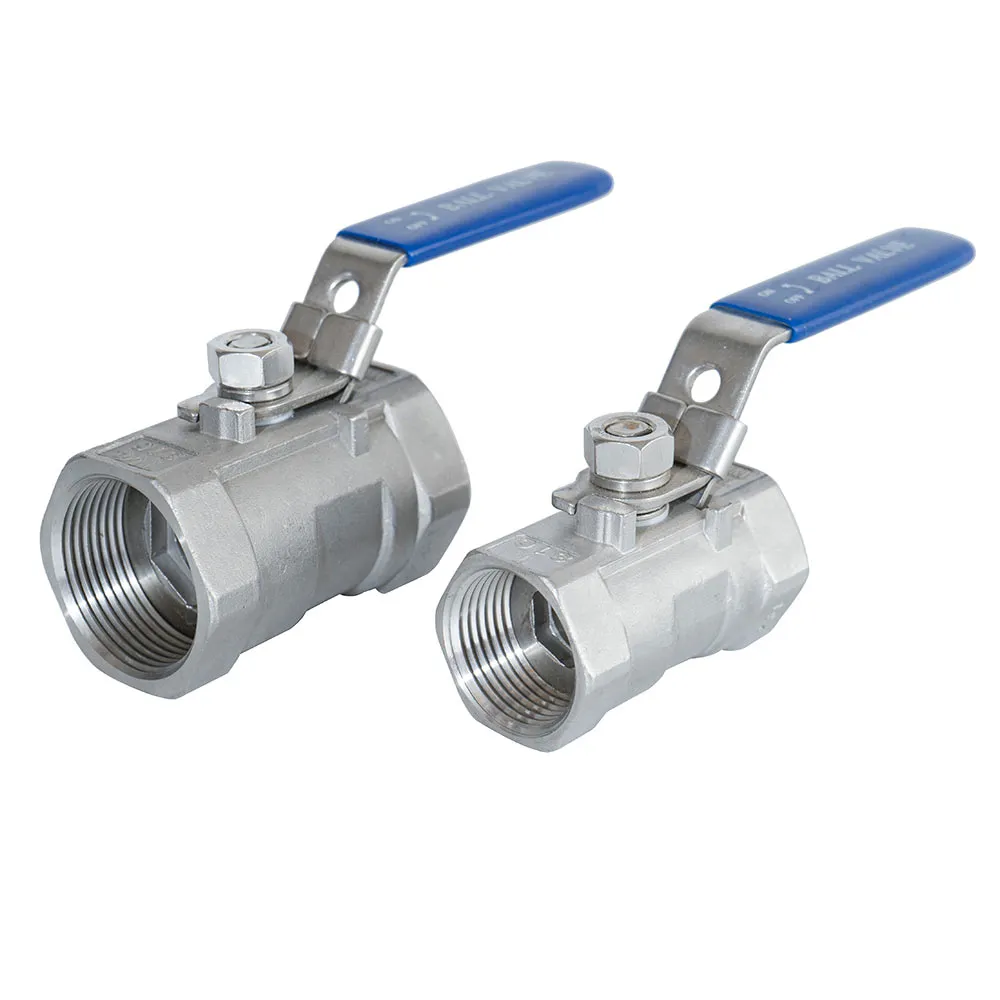
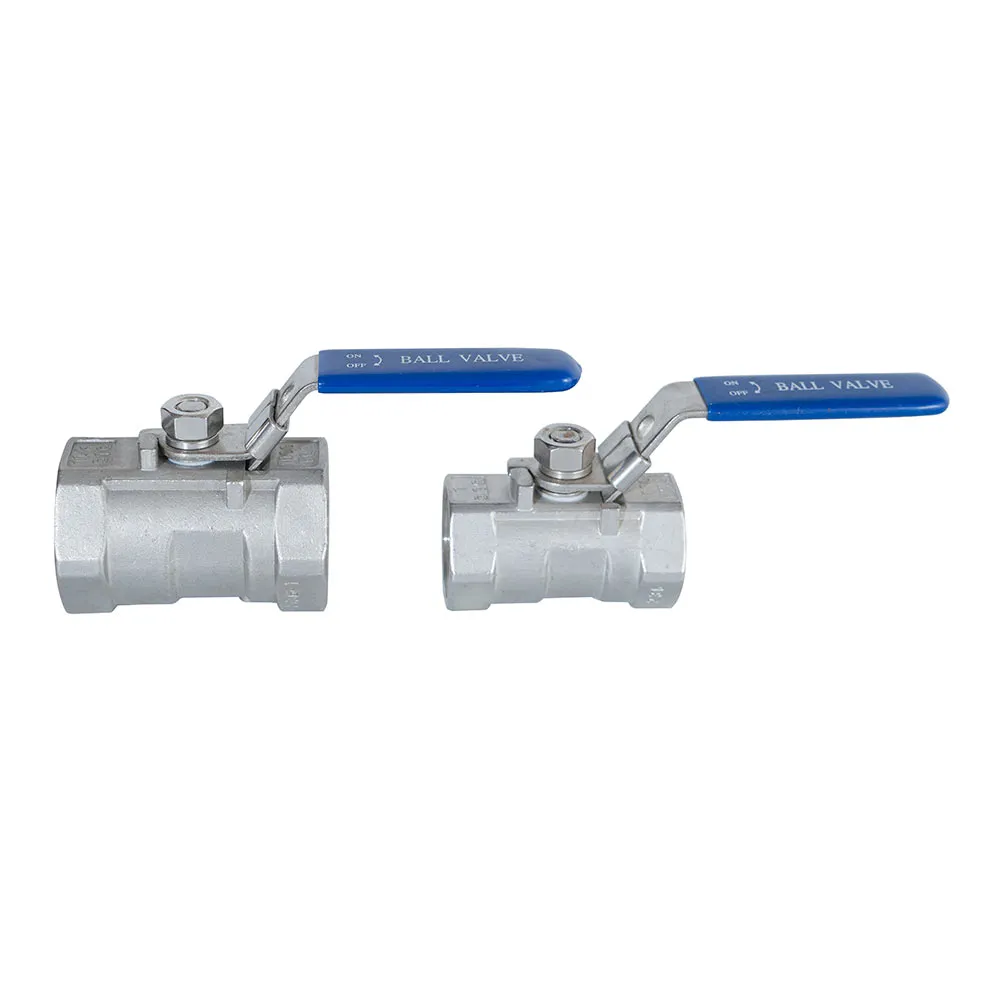
Discover the advances in miniature ball valves , especially the mini ball valve and stainless steel mini ball valve , with authoritative data, professional FAQs and technical benchmarks. Manufacturer Focus: Cangzhou Houde Stainless Steel Products Co., Ltd. Company: Cangzhou Houde Stainless Steel Products Co., Ltd. | Website: www.houdevalve.com Tel: 0086-(0)317-2207867 | Email: grace@houdecasting.com | Mobile: +86 13393391989 Address: Liupangzhuang Village, Nanchentun Town, Yunhe District, Cangzhou, Hebei, China Current Industry Trends: Evolution of Miniature Ball Valves Miniature ball valves have emerged as a pivotal component in fluid management for a variety of industries, offering superior space utilization, reliable sealing, and minimal maintenance requirements. The market demand for mini ball valve and especially stainless steel mini ball valve products has grown significantly due to advancements in precision manufacturing, rising automation in industry, and the need for compact, high-performing solutions in medical, laboratory, instrumentation, and miniature pipeline systems. According to recent research ( FlowControlNetwork, 2024 ), the miniature valves sector is forecast to achieve a global valuation of USD 5.2 billion by 2028, underlining its critical contribution to fine fluid control applications. Main Technical Parameters of Miniature Ball Valves Parameter Range/Value Typical for Stainless Steel Description Valve Size 1/8"–1" 1/4", 1/2" Defines the internal port diameter Working Pressure 0–1000 PSI ≤1000 PSI Maximum operational pressure Material Brass, Stainless Steel, PVC SS304, SS316 Chemical resistance and durability Connection Threaded (M/M, M/F, F/F) M/M, M/F Male/Male, Male/Female, Female/Female Body Structure 1-piece, 2-piece 1-piece Compactness & reduced leak points Temperature Range -20°C to 180°C -15°C to 150°C Operating environment adaptability Port Design Full bore Full bore Unhindered fluid flow, reduced resistance Sealing PTFE, POM PTFE Leak-proof and chemically inert Miniature Ball Valves Technical Parameter Trends (2017–2024) Product Spotlight: Miniature Ball Valves – Mini Ball Valve M/M Key Features Model: Mini Ball Valve M/M Structure: Compact one-piece body for minimum space usage Installation: Quick-connections with dual external thread interface (M/M) Sealing: High-precision PTFE seat for excellent leak resistance Flow Design: Full-bore for maximum flow, minimal head loss Corrosion Resistance: Industrial-grade SS304/SS316 material Applications: Suits industrial and civil fluid control systems, especially confined spaces >> View Mini Ball Valve M/M Details The Mini Ball Valve M/M by Cangzhou Houde Stainless Steel Products Co., Ltd. stands out for its compact geometry, reliability, unrivaled sealing, and efficiency. Its full-bore channel and precision engineering make it a preferred choice for many industrial setups. For full specs, certificates, or customer reviews, visit: Miniature Ball Valves Product Page Technical Specification Comparison: Mini Ball Valve M/M Figure 1: Core Technical Parameters of Mini Ball Valve M/M vs. General Miniature Ball Valves Figure 2: Material Composition of Mini Ball Valve M/M Figure 3: Leak Rate Reduction by Improved Sealing Across Valve Models Key Application Scenarios for Miniature Ball Valves Laboratory & Analytical Instruments: High precision media flow control in gas/liquid chromatographs, bioreactors, and water analysis equipment. Medical Device Pipelines: Oxygen supply, dialysis process lines, and microfluidic systems where reliability and compactness are paramount. Industrial Process Automation: Factory automation, pneumatic manifolds, and machinery with space-constrained fluid control. Water Treatment & Filtration: Mini/portable RO water systems, aquarium devices, and small-scale water purification stations. HVAC & Building Maintenance: Fan coil units, zone heating, mini booster pumps, and appliance inlets. Automotive/Electric Vehicles: Battery coolant distribution, air-suspension systems, emission control in compact engine bays. Food, Beverage & Lab Process: Sample take-off, dosing, beverage lines, and chemical transfer where hygiene and ease of cleaning are vital. For each of these fields, stainless steel mini ball valve variants are increasingly preferred for their corrosion resistance and hygienic qualities, as established by ValveMagazine (2023) . Expert Q&A: Miniature Ball Valves Technology, Materials, and Standards Q1: What are typical materials used for miniature ball valves and why choose stainless steel? Most miniature ball valves employ SS304 or SS316 stainless steel due to its superior resistance to corrosion, higher pressure tolerance, and sanitary properties compared with brass or plastic alternatives. This material selection ensures stable long-term use in challenging environments. ( ScienceDirect Journal ) Q2: What sizes and thread types are available? Standard sizes range from 1/8” to 1” (DN6–DN25). Connection threads typically include male/male (M/M), male/female (M/F), and female/female (F/F). The Mini Ball Valve M/M features dual male threads for easy inline installation. Q3: Which sealing technologies are most effective in mini ball valve design? PTFE (Polytetrafluoroethylene) seats dominate due to their inertness, wide temperature tolerance, and ultra-low friction, achieving leakage rates lower than 0.02mL/hr in advanced models. Q4: Are there specific installation standards or certifications for stainless steel mini ball valve ? Quality miniature valves are certified to CE , ISO 9001 , and sometimes RoHS/REACH standards, with threads conforming to ISO 228/1, ANSI B1.20.1 (NPT), and G/B (metric) where applicable. Q5: How is full bore superior to reduced bore design? Full-bore construction ensures minimal flow restriction and reduces the risk of clogging, which is vital in viscous or particulate-containing media. This gives the Mini Ball Valve M/M an edge over reduced-bore alternatives. Q6: What is the typical service life for these valves? Top-quality valves deliver over 100,000 cycles at rated conditions, with industrial guarantees often exceeding 50,000 full open/close operations. Q7: Can miniature ball valves be used for aggressive chemicals? Yes, provided you select models with stainless steel bodies and PTFE seats—ideal for diluted acids, alkalis, and solvents. Confirm exact compatibility via the manufacturer’s chemical compatibility tables. Conclusion & References Miniature ball valves —especially those manufactured from stainless steel—are at the forefront of compact, high-reliability flow control, serving industries from laboratory analysis to process automation. As market demand accelerates for miniaturized, low-leakage, easy-to-install solutions, partnerships with authoritative producers like Cangzhou Houde Stainless Steel Products Co., Ltd. are key to product success and system safety. Valve design and performance data sourced from: ValveUser Technical Forum , Valve-World Materials, sealing, and application references: ScienceDirect Materials in Design Industry & market data: FlowControlNetwork, 2024 Application trends: ValveMagazine, 2023 For orders and technical consultations: Cangzhou Houde Stainless Steel Products Co., Ltd. | www.houdevalve.com | Email: grace@houdecasting.com | Mobile: +86 13393391989